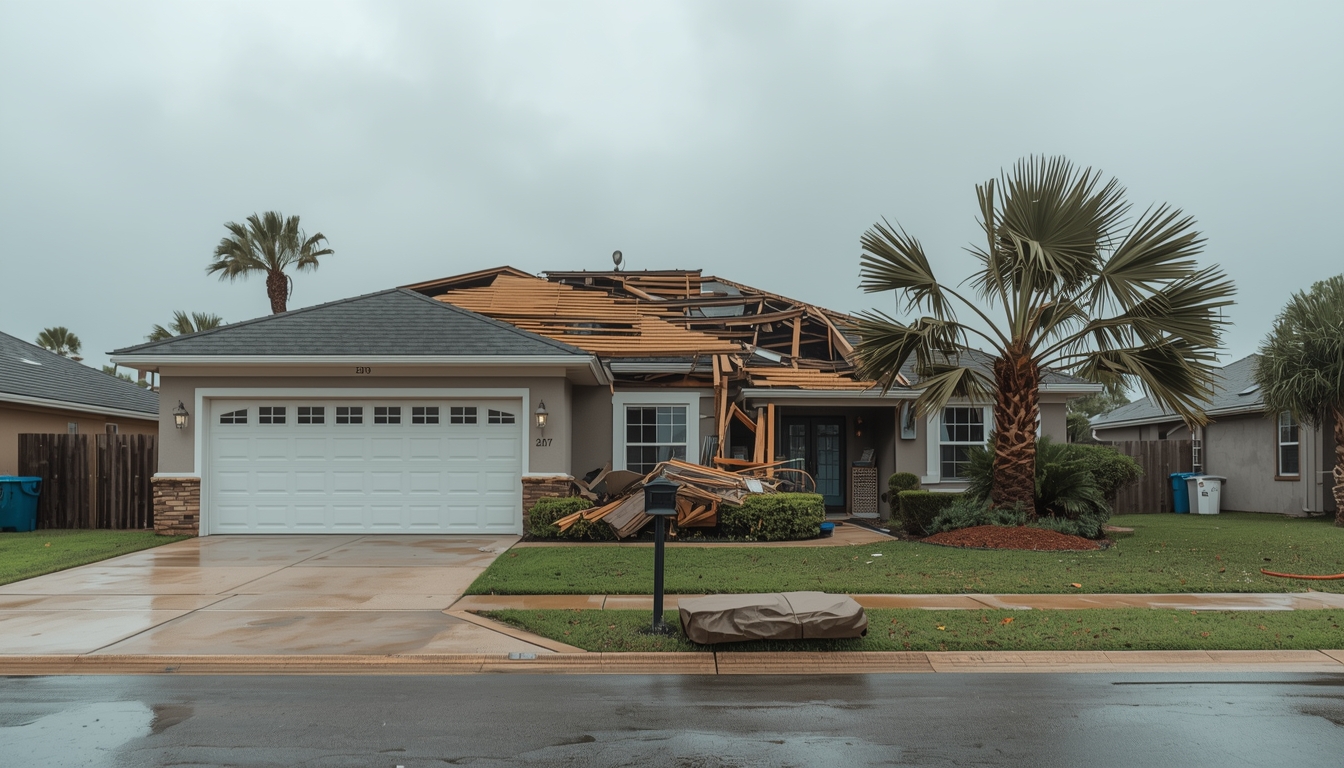
- Hurricane and windstorm damage in SC and FL often involves multiple coverage types (wind, water, flood) — insurers exploit the distinctions to underpay.
- Roof, exterior, water intrusion, structural, and debris impact damage are the five most common storm loss categories.
- Document everything immediately, prevent further damage (tarping, boarding), and keep all receipts — these strengthen your claim materially.
- Insurer tactics include pre-existing damage arguments, flood exclusions, deductible disputes, and lowballed repair estimates — most are challengeable.
Property owners in South Carolina and Florida know that storm season is not just a possibility — it's a reality. From powerful hurricanes along the Atlantic coast to severe windstorms and tropical systems, these weather events can cause devastating residential and commercial property damage.
When your home or business suffers windstorm damage, hurricane roof damage, or storm-related water intrusion, the physical destruction is only part of the battle. The next challenge is navigating the insurance claim process — and that's where many property owners face delays, underpayments, or even claim denials.
Understanding your rights and how hurricane insurance claims work in South Carolina and Florida can make a significant difference in your financial recovery.
How windstorm and hurricane damage occurs
Both South Carolina and Florida are highly exposed to coastal storms. Hurricanes and tropical systems bring a combination of extreme winds, heavy rainfall, flying debris, storm surge and flooding, and structural pressure from sustained gusts.
Common types of storm-related property damage include:
- Roof damage — High winds can lift shingles, tear off roofing materials, or completely expose the structure. Even minor roof damage can allow water intrusion that leads to interior damage days later.
- Window and exterior damage — Broken windows, damaged siding, and compromised doors allow wind-driven rain to enter the property.
- Water intrusion and interior damage — Once water enters a building, it can affect drywall, insulation, flooring, electrical systems, and personal property.
- Structural damage — Sustained wind pressure can weaken framing, exterior walls, and foundations, especially in older properties.
- Fallen trees and debris impact — Strong winds frequently uproot trees or propel debris into homes and buildings, causing sudden and severe destruction.
In many cases, the full extent of hurricane or windstorm damage is not immediately visible — especially when moisture becomes trapped behind walls or under flooring.
Why storm damage claims are complex in SC and FL
Both states have unique insurance landscapes and regulations that affect property damage claims. In Florida, hurricane deductibles and specific policy language often create confusion for homeowners. In South Carolina, windstorm coverage provisions and exclusions may vary depending on location and policy structure.
Insurance companies may argue that:
- The damage was pre-existing
- The damage resulted from wear and tear
- Flood damage is excluded
- The loss does not exceed the deductible
- Repairs are less costly than estimated
After widespread storm events, insurers may also face high claim volume, leading to delays or rushed inspections. This is where many property owners unknowingly accept settlements that do not fully cover repairs.
What to do after windstorm or hurricane damage
If your property in South Carolina or Florida suffers storm damage, taking the right steps early can protect your claim:
- Ensure safety first. Confirm that everyone is safe before inspecting damage.
- Document everything. Take detailed photos and videos of roof damage, exterior impact, interior leaks, water intrusion, and damaged personal property.
- Prevent further damage. Temporary repairs such as tarping a roof or boarding windows may be necessary to mitigate additional loss.
- Keep all records and receipts. Save documentation for temporary repairs, hotel stays, and emergency services.
- Report the claim promptly. Notify your insurance company as soon as possible.
Proper documentation and timely reporting can significantly influence the outcome of your insurance claim.
Common issues with hurricane and windstorm insurance claims
Property owners frequently encounter delayed inspections, underestimated repair costs, partial payment offers, disputes over the cause of loss, and claim denials based on policy interpretation. Insurance policies are complex contracts — without careful review, important coverage provisions may be overlooked.
How Property People Law helps property owners in SC and FL
Property People Law represents homeowners and business owners in both South Carolina and Florida who are dealing with hurricane damage claims, windstorm insurance disputes, and storm-related property losses. The firm assists clients by:
- Reviewing insurance policies in detail
- Identifying applicable windstorm and hurricane coverage
- Challenging underpayments or claim denials
- Working with inspectors and experts to document full damage
- Negotiating aggressively with insurance carriers
- Litigating when necessary to pursue fair compensation
The goal is simple: ensure property owners receive the coverage they paid for. Storm damage can disrupt your life or business operations. Having experienced legal guidance helps level the playing field against large insurance companies.
Protecting your property and your financial recovery
Windstorms, hurricanes, and tropical systems are an unfortunate reality in South Carolina and Florida. While insurance is designed to provide protection, the claims process can be complex and overwhelming, especially after a major storm event.
If your home or commercial property has suffered wind or hurricane damage, understanding your rights is critical. The Property People is committed to helping property owners navigate storm damage claims, resolve disputes, and pursue full and fair compensation.
Frequently asked questions
How much does it cost to hire a property damage attorney in South Carolina?
Most reputable property damage firms — including ours — work on contingency. You pay no attorney's fees unless we recover money for you. Initial case reviews are always free.
Can I still file a claim if I already accepted a partial payment?
Often, yes. Accepting a payment is not the same as signing a release. If the insurer underpaid the actual cost of repair, you may be entitled to additional recovery. The key is whether you signed a document explicitly waiving further claims.
What if my claim is older than three years?
The statute of limitations is generally three years from the date of loss for SC property damage claims, but exceptions can apply — particularly when bad faith is involved. Don't assume your case is closed without an attorney's review.
Do you handle Helene claims outside Charleston?
Yes — we represent SC homeowners statewide, including Anderson, Aiken, Greenville, Spartanburg, Columbia, Myrtle Beach, and surrounding areas.
Talk to a property damage attorney today.
Free case review. No fee unless we recover. We read your policy, review your adjuster's scope, and tell you straight whether you have leverage.
