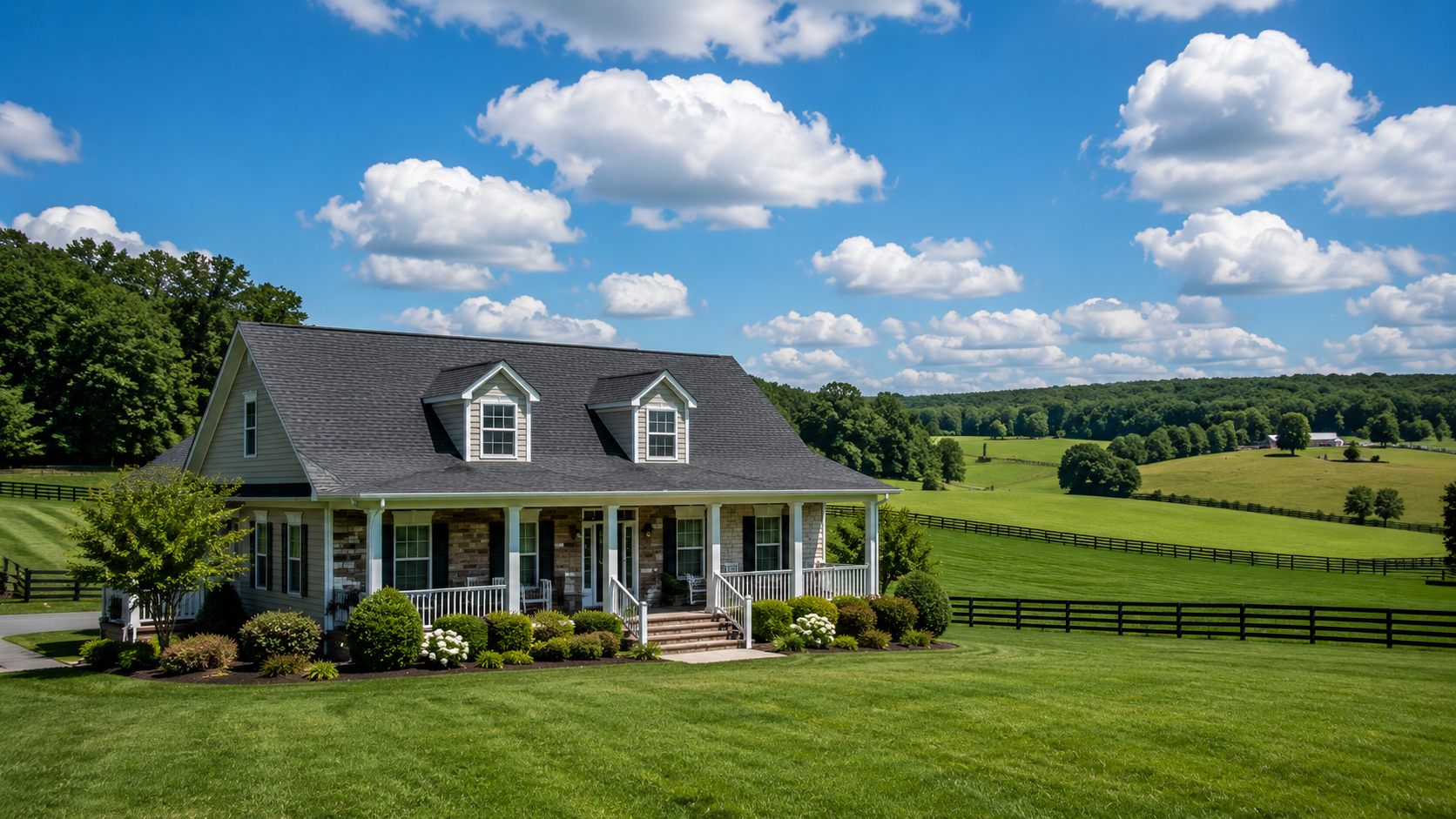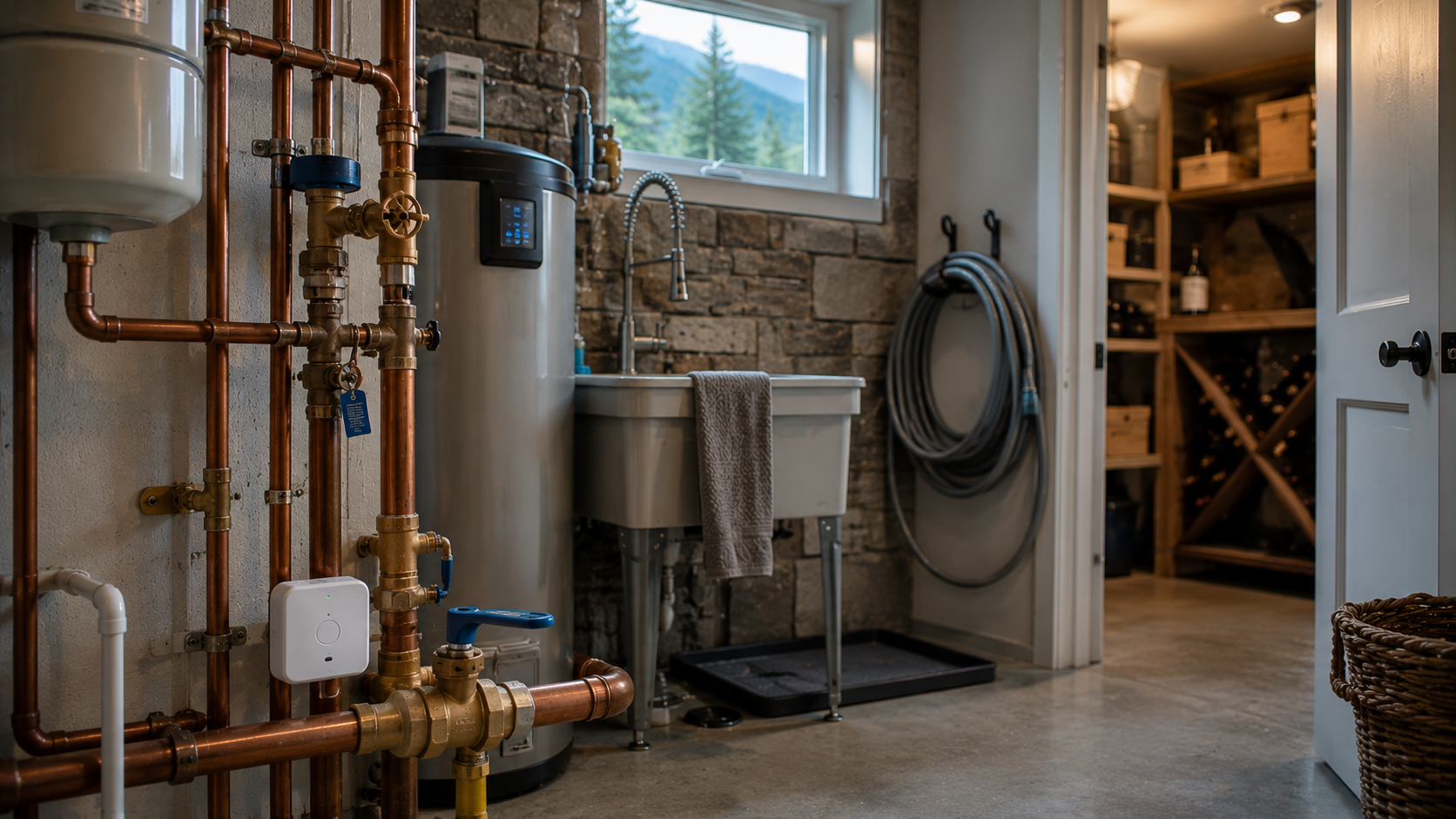
- Chubb specializes in high-value and luxury homes, and its Masterpiece policies include coverages — extended or uncapped replacement cost, broad contents protection — that many carriers offer only as add-ons. The richer coverage raises the stakes when a large claim is contested.
- North Carolina's high-value market spans the coast, the Charlotte and Raleigh metros, and mountain-resort communities like Asheville and Highlands — the last of which faced catastrophic flooding from Hurricane Helene in 2024.
- Contested NC Chubb claims commonly turn on extended-replacement-cost scope, valuation of high-end finishes and contents, wind-versus-flood causation, and matching of premium or custom materials.
- When a NC carrier handles a claim unfairly, N.C. Gen. Stat. § 75-1.1 may allow treble damages and attorney's fees, and § 58-63-15 sets the unfair-claim-settlement standards — both apply regardless of the carrier's reputation.
- At Property People Law, we review NC Chubb claims and any denial at no cost. Our NC residential and commercial property damage work is generally on contingency — we only get paid from the recovery, not your pocket.
Chubb occupies a particular niche in property insurance: it specializes in high-value and luxury homes, and its flagship Masterpiece homeowners policy is known for coverage that goes beyond what standard carriers offer — extended or, in some cases, uncapped replacement cost, generous contents protection, and a range of premium features built into the base policy rather than sold as add-ons. For owners of significant homes in North Carolina — the Charlotte and Raleigh metros, the coast, and mountain-resort communities like Asheville, Highlands, and Cashiers — Chubb is often the carrier of choice.
That richer coverage cuts both ways when a claim is contested. The promise of a high-value Chubb policy is that a major loss will be made whole at a level standard policies don't reach. When a large claim is scoped narrowly, valued below the cost of premium replacement, or denied on causation grounds, the gap between what the policy promised and what the carrier offers can be substantial — and high-value claims involve exactly the kinds of custom finishes, high-end contents, and complex valuation questions where disputes arise. A strong policy doesn't guarantee a smooth claim.
This guide walks through how Chubb's high-value model works, what NC Chubb policies generally provide, the disputes that commonly arise on high-value claims, how the § 75-1.1 framework may apply, and how we at Property People Law approach contested NC Chubb claims. Every policy is different, every claim turns on its own facts.
How Chubb's High-Value-Home Model and Masterpiece Coverage Work
Chubb generally writes through independent agents and is more selective about the homes it insures, focusing on higher-value properties. Its Masterpiece homeowners policy is designed for that market, commonly including extended replacement cost — coverage to rebuild even if the cost exceeds the stated dwelling limit, subject to policy terms — along with broad personal-property protection, additional living expense, and features that other carriers typically treat as optional endorsements.
For a policyholder, the practical effect is a policy that often promises more than a standard HO-3, particularly on the rebuild side. Extended or uncapped replacement-cost provisions are valuable precisely on a total or near-total loss, where rebuilding a custom home to its prior specification can exceed a stated limit. But realizing that coverage on a contested claim requires documenting the cost of restoring the home to its actual prior quality — which is where scope and valuation disputes on high-end properties concentrate.
None of this changes the governing law. North Carolina insurance law, the claim-handling regulations under § 58-63-15, and the § 75-1.1 framework apply to a Chubb policy exactly as they apply to any NC property insurer. The premium nature of the coverage shapes what's at stake in a claim — not the legal standards that govern it.
What NC Chubb Policies Generally Provide on Residential Property
NC Chubb Masterpiece policies generally cover the dwelling and other structures on an open-peril basis subject to exclusions, with personal property often on a broad open-peril basis as well, and frequently include extended replacement-cost coverage on the dwelling. Optional and built-in features may extend to valuable articles, private flood coverage (which Chubb offers more readily than many carriers), and other premium protections.
North Carolina's geography means different exposures for high-value homes. On the coast, wind and hurricane exposure dominates, often with a percentage wind or hurricane deductible that translates into a large out-of-pocket figure on a high-limit policy. In the western mountains — Asheville, Highlands, Cashiers — the catastrophic flooding from Hurricane Helene in 2024 underscored that flood is generally excluded from the standard policy unless private flood coverage was added, which makes wind-versus-flood causation a central question. Our NC wind-vs-flood causation guide covers that analysis.
As with any policy, resulting mold damage generally carries a sublimit, the dwelling's extended-replacement-cost provision has specific terms and conditions, and the notice and mitigation conditions apply. The specific language in your policy and on your declarations page controls — and on a high-value policy with custom features, knowing exactly what the dwelling, contents, and replacement-cost provisions say before a loss is especially important.
The Disputes That Commonly Arise on NC Chubb High-Value Claims
Contested NC Chubb claims tend to cluster around the issues distinctive to high-value homes. None is unique to Chubb — they follow most high-value NC property losses — but they recur on these claims.
Extended-Replacement-Cost Scope on a Major Loss
The signature feature of a high-value policy is extended or uncapped replacement cost, and the signature dispute is whether the carrier's rebuild scope actually reflects the cost of restoring the home to its prior quality. On a custom NC home — or a mountain home damaged in a major storm — restoring custom finishes and architectural detail can cost far more than a standard rebuild estimate assumes. The dispute is often not about whether the loss is covered but about the dollar figure required to honor the replacement-cost promise.
Valuation of High-End Finishes and Contents
High-value claims frequently involve premium materials and valuable contents — imported stone, custom cabinetry, fine art, antiques, designer furnishings. Disputes arise when the carrier values these at standard-grade figures rather than their actual replacement cost. Independent appraisals and detailed documentation of the home's actual finishes and contents are what support the full valuation against a standard-grade estimate.
Wind-Versus-Flood Causation
For coastal and mountain high-value homes alike, the wind-versus-flood question is central after a major storm: wind and wind-driven rain are generally covered, while rising water and flooding are generally excluded unless private flood coverage is in place — a distinction Helene brought into sharp focus in the NC mountains. On a high-limit home the dollars turn on getting the causation characterization right, and documenting the storm sequence is what supports the covered portion.
Matching of Premium or Custom Materials
Matching disputes are sharper on high-value homes because the materials are often custom, imported, or discontinued. When a storm damages part of a roof or a run of specialty material, repairing only the damaged portion can leave a visibly mismatched result. While North Carolina has no specific matching statute, most policies' like-kind-and-quality language may support expanded scope when partial repair won't reasonably match the premium existing materials. Our NC matching guide covers how to argue it.
How North Carolina's § 75-1.1 Framework May Apply
Most contested NC Chubb claims are ordinary coverage or scope disputes — the carrier reached one conclusion about scope, valuation, or causation, the policyholder disagrees, and the evidence decides which position holds. On high-value claims the dollar figures are larger, but the analytical posture is the same, and a scope or valuation disagreement doesn't by itself implicate any statutory penalty framework.
North Carolina's framework for insurer misconduct runs through two statutes. N.C. Gen. Stat. § 58-63-15 defines unfair claim settlement practices — the claim-handling conduct insurers are required to avoid. And N.C. Gen. Stat. § 75-1.1, the Unfair and Deceptive Trade Practices Act, may provide a remedy of treble damages and attorney's fees when an insurer's conduct is found to be an unfair or deceptive practice. A November 2024 bulletin from the North Carolina Insurance Commissioner addressed claim-handling expectations following that year's storms; we reference it as neutral context for the standards carriers are expected to meet, not as a comment on any particular claim.
Whether that framework applies to a specific Chubb claim depends on the carrier's actual conduct. Defaulting a custom-home rebuild to standard-grade figures with no reasonable basis, ignoring independent appraisal documentation of premium finishes, or mischaracterizing covered wind damage as excluded flood without investigation are the kinds of conduct that can move a claim from ordinary dispute toward the statutory framework. A debatable position taken in good faith generally won't; unfair handling of a covered loss may. See our NC bad-faith pillar for the full framework.
How Property People Law Approaches Contested NC Chubb Claims
When a NC Chubb policyholder reaches out about a denied or underpaid claim, the first conversation is free and the framework is consistent. We read the policy and the declarations page carefully — the dwelling and extended-replacement-cost provisions, the contents and valuable-articles coverage, any private flood coverage, the wind coverage, the anti-concurrent-causation clause, and the notice and mitigation conditions. We pull the claim file and any engineering, appraisal, or adjuster report the carrier's position relied on.
From there we compare the carrier's position against the physical evidence, independent contractor and appraisal documentation of the home's actual quality, and the documented storm sequence. We identify where the extended-replacement-cost promise supports a larger scope, where premium-materials valuation and matching add to the claim, whether the wind-versus-flood characterization is supportable, and whether the carrier's conduct may support a § 75-1.1 argument alongside the § 58-63-15 standards. We work alongside NC high-value property owners across every step of those disputes.
Our NC residential and commercial property work is generally on contingency — we only get paid from the recovery, not your pocket. Past results in other cases don't guarantee outcomes in any new matter, and every claim turns on its own facts.