- Helene crossed Allendale, Barnwell, and Aiken counties two Septembers ago with hurricane-force gusts. On claims from the October 10 tornadoes, the carrier's first question will be which damage is new. Dated photographs and the Helene repair paperwork answer it; memory does not.
- A tornado is a windstorm, and windstorm is generally covered. The percentage named-storm deductible is a separate question: Isaias was no longer a tropical system over South Carolina, and whether that deductible triggers depends on your policy's own wording.
- On a rural property the house is often the smallest part of the loss. Carports, pole barns, equipment sheds, and fencing sit under an other-structures limit that is commonly a fraction of the dwelling limit, and they are the lines most often missing from the estimate.
- South Carolina recognizes bad faith, and its fee statute lets a court award attorney's fees in some cases — capped, discretionary, and not automatic. Most claims never get there; the documented record is what matters either way.
- If your tornado estimate skipped the outbuildings or blamed the damage on Helene, send it to us with your structure list and the Helene paperwork and we'll tell you what it's missing. Our SC residential and commercial property work is generally on contingency — we only get paid from the recovery, not your pocket.
Before the adjuster asks what the October 10 tornado did to your property, they will want to know what Helene did to it two Septembers ago. Helene crossed Allendale, Barnwell, and Aiken counties on September 27, 2024 with hurricane-force gusts and took down pines across the region, and a lot of the roofs, barns, and fences it damaged were repaired, half-repaired, or claimed and never fixed. On Isaias tornado files in the CSRA, that history is the first thing the carrier will reach for.
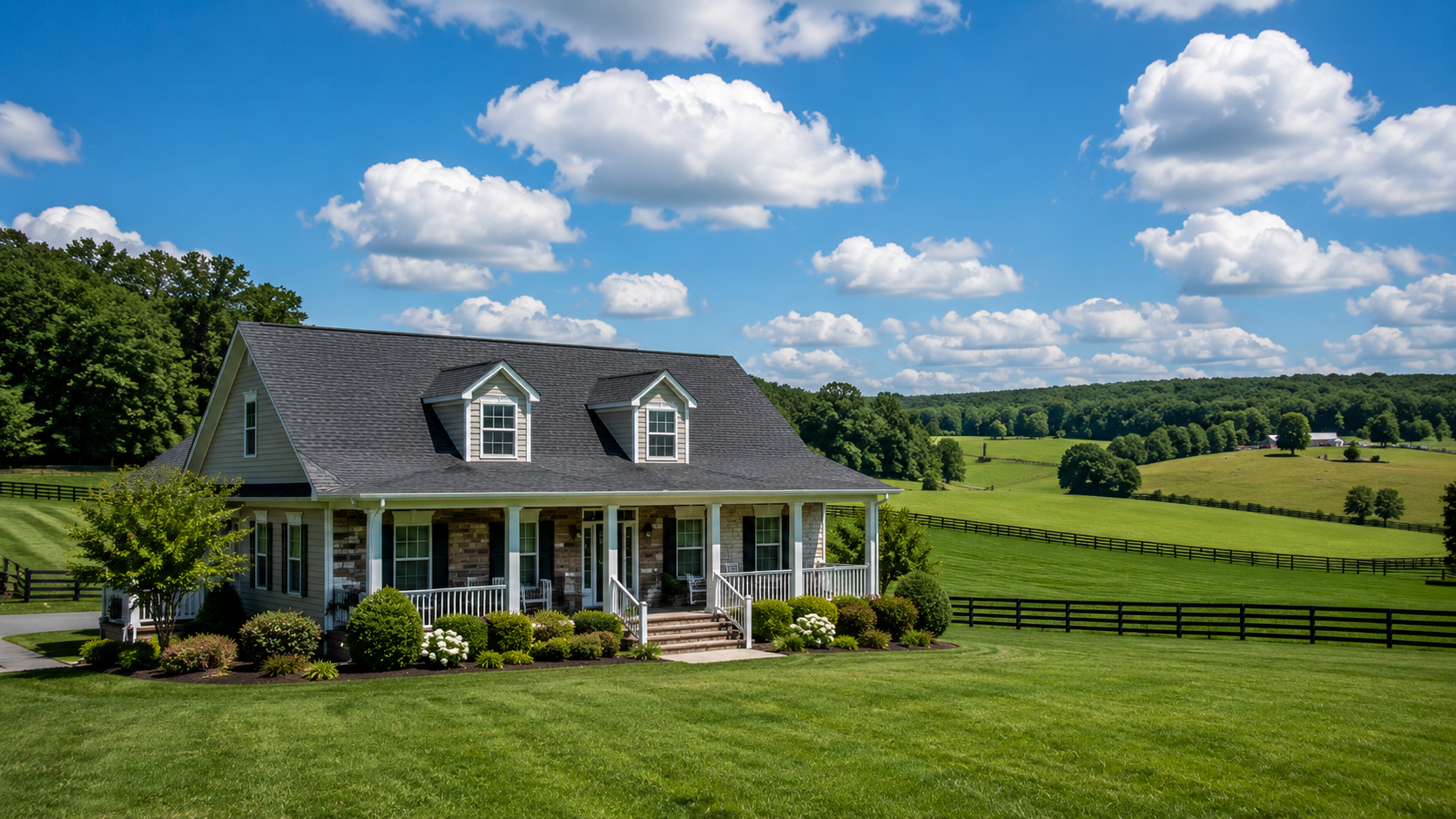
If you're on a rural property near Kline or between Barnwell and Williston, along US 301 in Allendale County, or southwest of Wagener, you already know what the tornado did. What you may not have yet is the paperwork that keeps the carrier from blending it with the old loss — or from pricing the house and forgetting the pole barn, the two carports, and the quarter mile of fence.
This article walks through what the National Weather Service surveys found, what "remnants of a hurricane" means for your deductible, why rural South Carolina claims go short on the outbuildings, and the six moves we see matter most for CSRA property owners before a number is accepted. Our Charleston office has handled Helene files across this part of the state since the storm. Every policy is different, every claim turns on its own facts.
What the Surveys Found, and What "Remnants" Means for Your Deductible
By the time Isaias's storms crossed the Savannah River on Saturday, October 10, the hurricane that had come ashore in the Florida Panhandle the night before was a post-tropical system, and what it left in the CSRA were tornadoes: two EF-1s in Allendale County, one crossing US 301 that damaged four homes and destroyed an outbuilding and two carports; two in Barnwell County, west of Kline and from south of Barnwell toward Williston; one southwest of Wagener in Aiken County. If your property is on one of those paths, the surveys matter to you for one reason: a tornado is wind, which standard policies generally cover, so the fight is rarely about coverage. It is about the deductible, and the word "post-tropical" is where that starts.
A lot of South Carolina policies carry a named-storm or hurricane deductible written as a percentage of the dwelling limit. Whether it reaches a tornado from the remains of a hurricane depends on how the provision defines its trigger — a hurricane, a named tropical system, a defined window — and on the storm's official status at the time. If the estimate applied the percentage deductible, ask in writing which provision the carrier relied on. If it applied the standard deductible, the trigger question doesn't arise.
Water is not part of this story in the flood sense; the tornadoes were wind events. The rain that came through the opened roof, the insulation it soaked, and the ceiling that came down afterward are generally treated as part of the wind loss because the wind made the opening — provided the property was reasonably protected after the storm, which is why the tarp and the receipts matter. Say which opening the water came through, in writing, each time the subject comes up.
Two Storms, One Roof: Building the Record That Keeps Them Apart
The attribution question runs both ways, and your file has to answer both. If the roof was replaced after Helene, the installation invoice and the permit put a new roof on the property on a known date, and a tornado that stripped it two years later is a clean new loss. If the Helene repair was never finished — a tarp that stayed on, a claim that paid and was never spent — the carrier will want to know that, and a file that tries to hide it loses credibility on everything else.
What you want is an accurate, dated picture of the property on October 9, the day before the tornado. Pull the Helene claim file, the estimate, the payment, the contractor's invoice, and any photographs from the repair. Add whatever you have from the two years since — a refinance appraisal, insurance renewal photos, a listing, a satellite image. Then date-stamp everything from Saturday forward. A record like that protects you in both directions, which is the point: the carrier can't charge Helene's damage to the tornado, and it can't write the tornado's damage off as Helene's.
A pre-existing-damage position, when it comes, is a coverage position rather than a scope gap. Answer it with the dates, in writing, and keep the answer short. If the dates support you and the carrier holds its position anyway, the question has changed from what the storm did to how the carrier is handling the claim — and that is what South Carolina's conduct rules are for.
The Outbuildings Problem on Rural South Carolina Properties
Walk a tornado path through Allendale or Barnwell County and the house is often standing with a hole in the roof while the pole barn is gone, the carports are in the next field, the equipment shed has lost its metal, and the fence is down for a quarter mile. On the estimate, all of that is "other structures," and on a standard homeowners policy the other-structures limit is commonly a fraction of the dwelling limit — ten percent is typical. A property with $300,000 on the dwelling may have $30,000 for every detached structure on the place, combined.
That is why the first thing to do with the estimate is not to check the roof. It is to list every damaged structure on the property, by name, and find a line for each: the barn, each carport, the shed, the well house, the fence by the foot, the gate, the dock if there is one. If nobody pointed the well house out at the inspection, it isn't priced, and no one but you will add it. Then compare the total against the other-structures limit on your declarations page, because if the loss exceeds it the policy will not pay the difference however well the estimate is written.
Farm and ranch policies work differently — barns and outbuildings are often scheduled individually with their own limits, and equipment and livestock structures may fall under separate coverages. If any part of your property is on a farm form, find out which structures are scheduled and for how much before you compare prices. Fences on farm policies are frequently a separate item with a separate limit, and a long run of fencing can exhaust it.
Six Moves That Decide a CSRA Tornado Claim
In rough order of urgency.
- List every structure before the adjuster arrives. House, barn, each carport, shed, well house, fence by the foot, gate, mailbox, the chicken house. Hand the list to the adjuster at the door and keep a copy. If something on it goes unexamined, your copy records that too.
- Read everything before it's signed. Storm-chasing roofers follow tornado paths, and they are on the road the morning after. A contract that assigns a claim or an insurance payment to a contractor, or an offer to "handle the insurance" from someone who isn't licensed to, deserves a hard look before anything is signed. Our South Carolina public-adjuster guide explains who may lawfully negotiate a claim.
- Photograph the Helene history and the new damage separately. Two folders. One holds the Helene estimate, invoices, and repair photos; the other holds everything from Saturday on, date-stamped. Give the adjuster both and say which is which.
- Protect what's left, and keep the paper. Tarp the roof, get the trees off, secure the livestock structures; the policy expects reasonable steps to prevent further damage, and the invoices are part of the claim. Leave the permanent work until the adjuster has been out, and say in writing what emergency work was done.
- Check the other-structures limit before you argue the price. Add up the outbuilding losses and compare them to the limit on the declarations page. If the loss exceeds it, the argument is about the limit, not the estimate, and that changes what is worth fighting over.
- Read the roof lines for what's missing, not what they cost. A tornado roof estimate written from the ground skips decking, underlayment, ridge, flashing, and the framing the wind racked. Have a roofer go up, photograph each slope, and write an itemized scope; send it with the supplement. Missing items are the easiest gap to prove and the biggest one after a tornado.
What South Carolina Law Adds When a Tornado Claim Stops Moving
Two things in South Carolina law matter to a tornado file, and neither is about the first estimate. The first is the conduct standard: South Carolina recognizes common-law bad faith through the Tyger River line of cases, which can carry consequential and potentially punitive damages when an insurer's conduct meets the bad-faith standard. What gets measured against that standard is the record — the dated Helene file the carrier ignored, the outbuilding scope that sat for months, the position held after the dates answered it.
The second is fees. S.C. Code § 38-59-40 provides that a court may award attorney's fees — capped at one-third of the judgment — set within a reasonableness standard, not automatic and not the policyholder's full fees. That is narrower than most property owners expect, and it is one reason the documented record matters more than the threat of litigation: the record is what a court, an appraiser, or a claims manager actually reads.
If all that's left is the amount — the price of the barn, not whether it's covered — most policies provide an appraisal process, and that is often the right tool for a rural property with a long structure list.
How Property People Law Approaches CSRA Tornado Claims
We start with two documents: the declarations page, for the deductible provision and the other-structures limit, and the Helene file, for the dated history of the property. Then the carrier's estimate goes against your structure list and your contractor's scope, gap by gap — scope, price, limit, or coverage position. If the carrier has raised Helene, we build the dated record that answers it in both directions.
When a documented scope or a dated record doesn't move the carrier, we get the roofer or engineer the file needs on site and put the supplement or the appraisal demand in front of the carrier with the record attached. We work CSRA files from our Charleston office, for policyholders only — farms and businesses included.
Our SC residential and commercial property work is generally on contingency — we only get paid from the recovery, not your pocket. Past results in other cases don't guarantee outcomes in any new matter, and every claim turns on its own facts.