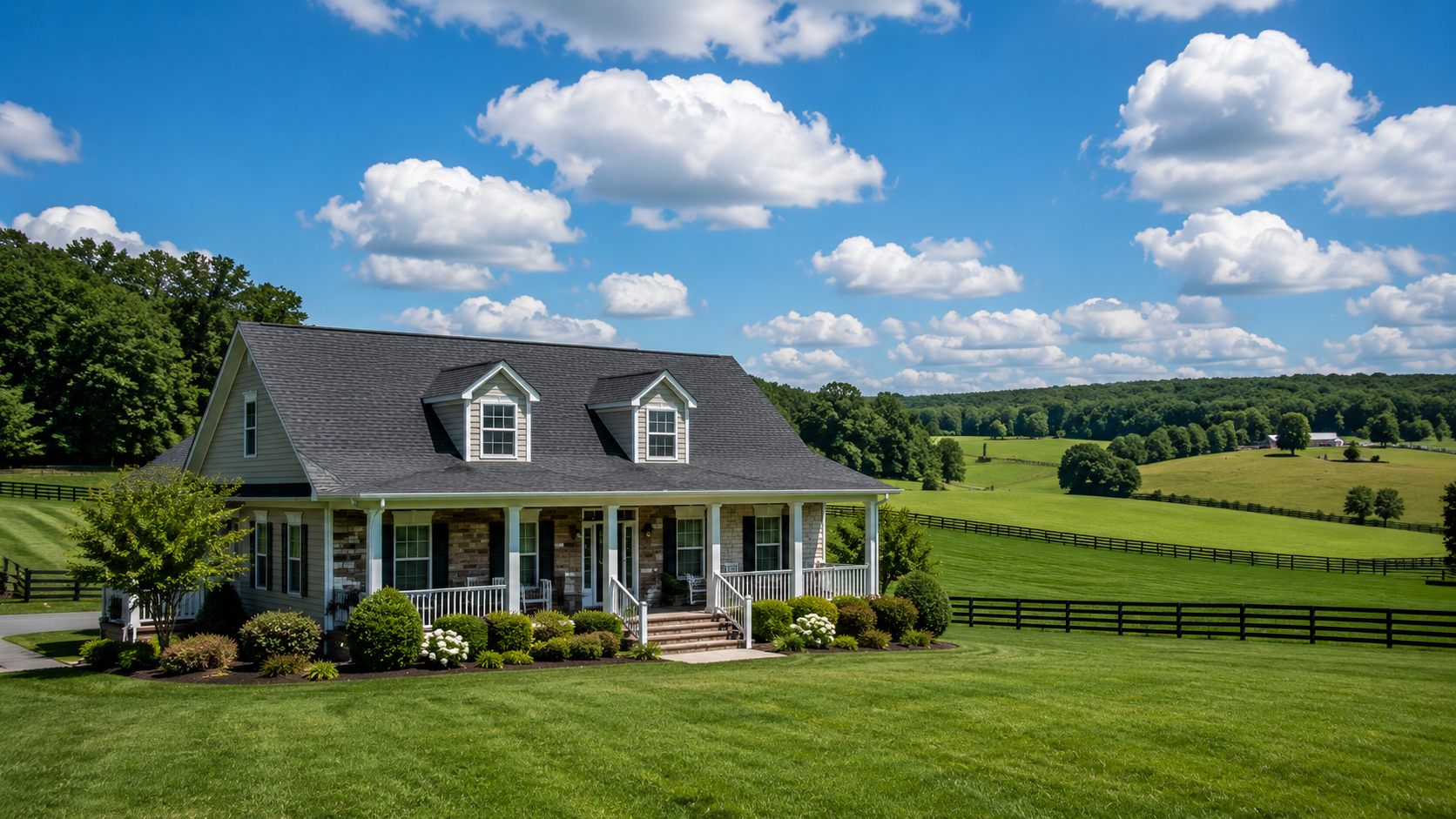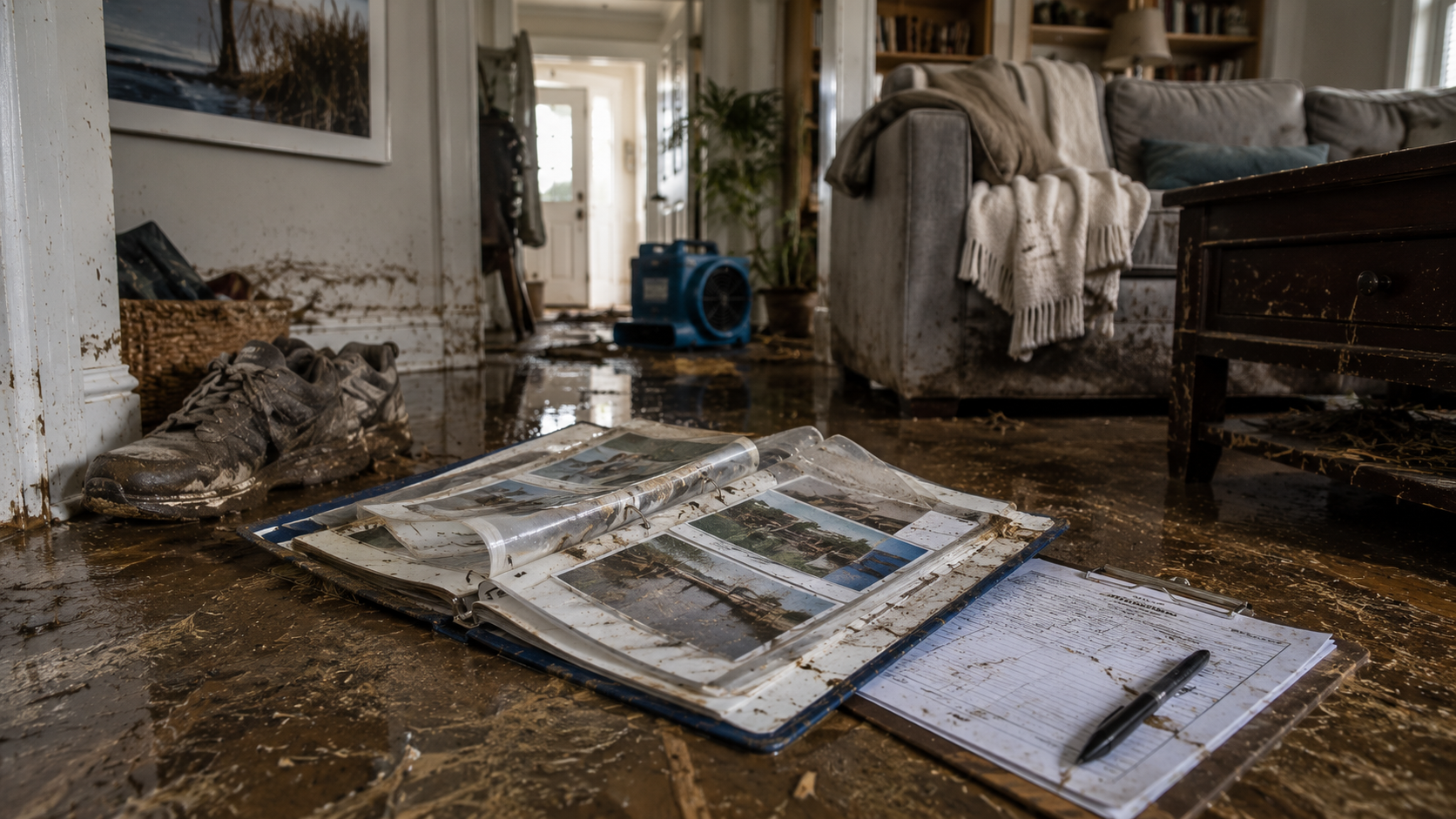
- USAA serves military members, veterans, and their families, and is consistently rated highly for claims handling. A strong service reputation doesn't mean every claim is paid in full — contested USAA claims arise like they do with any carrier, and the same SC legal framework applies.
- South Carolina's military communities — around Charleston, Beaufort, Sumter, and the coast — mean many SC USAA policyholders carry hurricane and wind exposure, often with separate wind or hurricane deductibles worth understanding before a storm.
- Contested SC USAA claims commonly turn on wind-versus-water causation, hurricane-deductible application, roof scope and depreciation, and matching on partial repairs — the same dispute categories that follow most SC property losses.
- When a carrier refuses to pay a covered claim without reasonable cause, S.C. Code § 38-59-40 may allow a court to award attorney's fees — capped at one-third of the judgment — on top of the policy benefit, with the common-law bad-faith framework potentially adding more when conduct supports it.
- At Property People Law, we review SC USAA claims and any denial at no cost. Our SC residential and commercial property work is generally on contingency — we only get paid from the recovery, not your pocket.
USAA holds a distinctive place among property insurers: it serves military members, veterans, and their families, and it consistently earns some of the highest customer-satisfaction and claims-handling scores in the industry. For the many military families in South Carolina — around Joint Base Charleston, the Marine Corps installations near Beaufort, Shaw Air Force Base near Sumter, and throughout the coastal communities — USAA is often the carrier of choice, and frequently a good one.
A strong service reputation, though, doesn't change a basic reality: not every claim is paid the way the policyholder believes it should be. Even well-regarded carriers contest claims, apply exclusions, scope repairs narrowly, and depreciate aggressively. When that happens with a USAA policy in South Carolina, the policyholder has the same rights and the same legal framework available as with any other carrier — and the fact that USAA is generally well-regarded doesn't mean a particular denial or underpayment is correct.
This article walks through how USAA's membership model works, what SC USAA policies generally provide, six considerations for SC policyholders with contested claims, how the § 38-59-40 framework may apply, and how we at Property People Law approach contested SC USAA claims. Every policy is different, every claim turns on its own facts.
How USAA's Membership-Based Model Works and Who It Covers
USAA operates on a membership model, offering insurance and financial products to a defined community: active-duty military, veterans who have honorably served, and eligible family members. Unlike carriers that distribute through independent agents or partner brands, USAA generally deals directly with its members — quoting, binding, and servicing policies through its own channels. For a policyholder, this means the entity on the declarations page is USAA (or a USAA subsidiary), and claim handling runs through USAA's own claims operation.
The membership structure affects the relationship more than the law. USAA members often have long-standing, multi-product relationships with the company — auto, home, banking, and investments under one roof — which can make a contested property claim feel especially jarring when it arises. But the membership relationship doesn't change the governing legal standards: South Carolina insurance law, the claim-handling regulations, and the § 38-59-40 framework apply to a USAA policy exactly as they apply to any SC property insurer.
One practical note for military families: frequent relocations mean some SC USAA policyholders bought their policy while stationed elsewhere, or hold coverage on a SC property they rent out during a deployment. The occupancy status of the property — owner-occupied, tenant-occupied, or vacant during a deployment — can affect coverage, so confirming how the policy treats the property's current use is worth doing before a loss.
What SC USAA Policies Generally Provide on Residential Property
SC USAA homeowners products are generally written on an HO-3-style form, with the dwelling and other structures covered on an open-peril basis subject to exclusions, and personal property covered on a named-peril or, on broader policies, an open-peril basis. USAA policies are often regarded as comparatively comprehensive, and members can typically add endorsements for items and risks the base policy limits.
For SC coastal and wind-exposed properties, two terms deserve pre-loss attention. First, the wind or hurricane deductible: in coastal and hurricane-prone areas, SC policies commonly carry a separate deductible for named-storm or wind damage, often calculated as a percentage of the dwelling limit, which can produce a far larger out-of-pocket figure on a major-storm claim than a flat deductible would. Second, the flood exclusion: like virtually all homeowners policies, USAA policies generally exclude flood, which makes wind-versus-water causation a central question after a hurricane. Our SC wind-vs-flood causation guide covers that analysis in depth.
As with any policy, resulting mold damage generally carries a sublimit, roof coverage may be written on a replacement-cost or actual-cash-value basis depending on the roof's age and the policy terms, and the policy's notice and mitigation conditions apply. The specific language in your policy and on your declarations page controls — reading both before storm season is the cheapest claim-protection step a SC property owner can take.
Six Considerations for SC USAA Policyholders with Contested Claims
When a SC USAA claim is contested, several considerations tend to drive how it resolves. None is unique to USAA — they're the same dispute categories that follow most SC property losses — but they recur on these claims.
- Confirm the named insurer and the occupancy status. Identify the exact USAA entity on the declarations page, and confirm the policy reflects how the property is actually used — owner-occupied, rented, or vacant during a deployment. Occupancy mismatches are a common source of coverage disputes for military families who relocate, and getting this right early matters.
- Check how the wind or hurricane deductible was applied. On a coastal or wind-exposed SC property, confirm the deductible was applied correctly, that the triggering event met the policy's definition of a hurricane or named storm, and that a percentage wind deductible was calculated against the correct figure. On a high dwelling limit, the difference between a percentage deductible and a flat one can be thousands of dollars.
- Pin down wind-versus-water causation. After a hurricane or tropical system, identify what damage came from wind or wind-driven rain (generally covered) versus storm surge or flooding (generally excluded), and document the sequence. A denial that labels the whole loss 'flood' without engaging that sequence is a common dispute, and the documentation of how the damage occurred is what supports the covered characterization.
- Examine the roof scope and depreciation. Roof claims frequently turn on whether the carrier's scope matches an independent roofer's assessment and whether depreciation was reasonable. On an actual-cash-value roof settlement, recoverable depreciation may be available once repairs are completed and documented. Compare the carrier's scope against an independent estimate before accepting it.
- Raise matching where only part of a structure is repaired. When a storm damages part of a roof or one elevation, the matching question arises: can the carrier repair only part when the replacement materials won't reasonably match the existing ones? Most SC policies require repairs of like kind and quality, which may support expanded scope when partial repair would leave a visibly mismatched result.
- Document the loss and gather the right records. Date-stamped photos before mitigation, an independent contractor's scope, prompt written notice, and mitigation receipts all support the claim. A reopened or supplemented claim is often built on documentation that shows the carrier's original scope or causation call didn't match the actual damage.
How the South Carolina § 38-59-40 Framework May Apply
Most contested SC USAA claims are ordinary coverage or scope disputes — the carrier reached one conclusion about causation or repair cost, the policyholder disagrees, and the evidence decides which position holds. That's the normal terrain of a property claim and doesn't by itself implicate any bad-faith framework, regardless of the carrier's reputation.
Where the analysis may move toward South Carolina's statutory framework is when the carrier refuses to pay a covered claim without reasonable cause. S.C. Code § 38-59-40 may allow a court to award attorney's fees — capped at one-third of the judgment and set within a reasonableness standard, not automatic and not the policyholder's full fees — in addition to the underlying policy benefit. The common-law bad-faith claim recognized in SC since the Tyger River line of cases may add consequential and potentially punitive damages when the carrier's conduct meets the bad-faith standard.
Whether either framework applies to a specific USAA claim depends on the carrier's actual conduct and what the record shows about the basis for the refusal — not on USAA's reputation. Mischaracterizing covered wind damage as excluded flood, applying a hurricane deductible that wasn't triggered, or refusing to engage an independent contractor's scope are the kinds of conduct that can move a claim from ordinary dispute toward the statutory framework. A debatable question handled in good faith generally won't; a covered claim refused without reasonable cause may. See our SC bad-faith pillar for the full framework.
How Property People Law Approaches Contested SC USAA Claims
When a SC USAA policyholder reaches out about a denied or underpaid claim, the first conversation is free and the framework is consistent. We read the policy and declarations page carefully — the named insurer, the occupancy terms, the wind or hurricane deductible, the flood exclusion, the anti-concurrent-causation clause, the roof-settlement basis, the mold sublimit, and the notice and mitigation conditions. We pull the claim file and any engineering or adjuster report the carrier's position relied on.
From there we compare the carrier's position against the physical evidence, an independent contractor's scope, and the documented storm sequence at the property. We identify where the covered wind-versus-water characterization is supportable, whether the deductible was applied correctly, where matching and recoverable depreciation add to the claim, and whether the carrier's conduct may support a § 38-59-40 attorney-fee argument or the common-law bad-faith analysis. We work alongside SC military families and property owners across every step of those disputes.
Our SC residential and commercial property work is generally on contingency — we only get paid from the recovery, not your pocket. Past results in other cases don't guarantee outcomes in any new matter, and every claim turns on its own facts.