
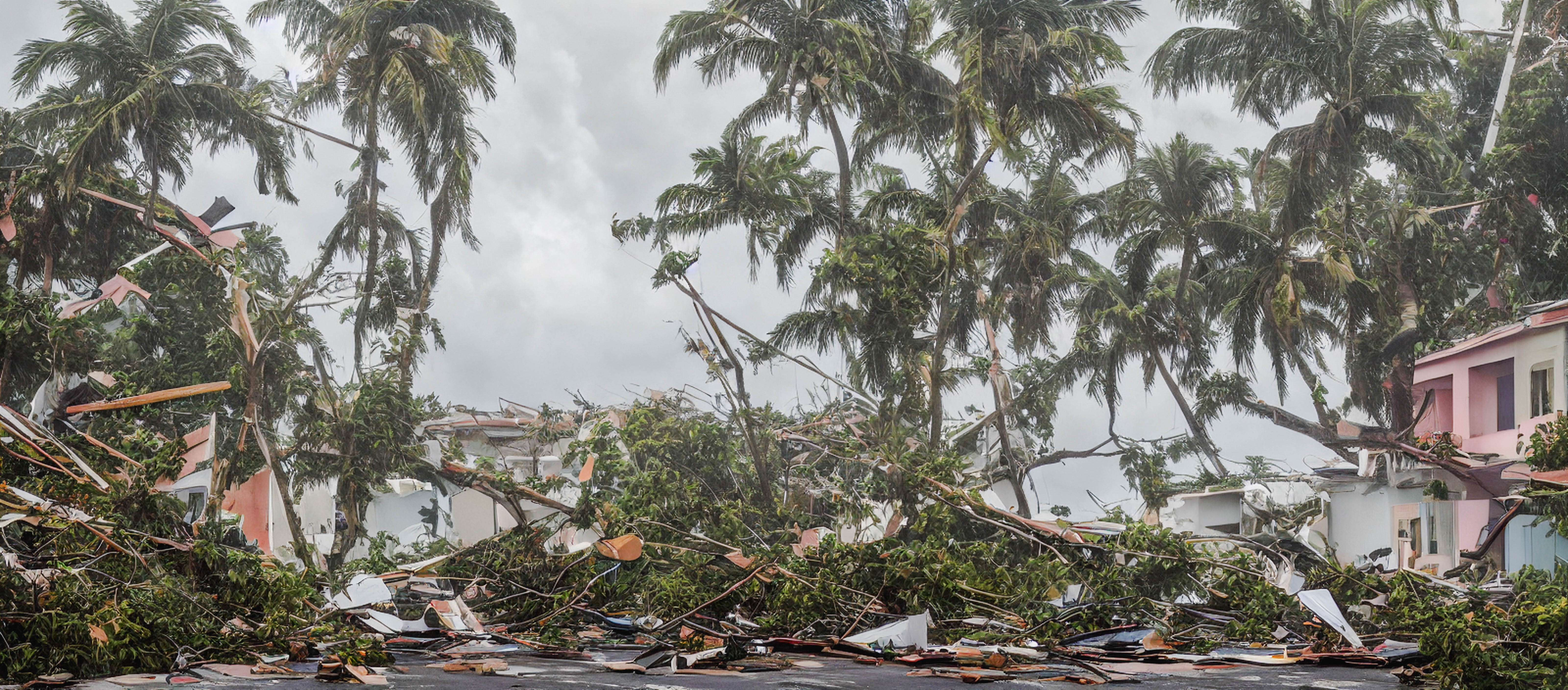
In Florida, winter weather can be deceptively mild, but it brings unique challenges for property owners. While snowstorms are rare, heavy rain and strong winds can wreak havoc on roofs, windows, and foundations. One moment you're enjoying a pleasant evening, the next, you hear the ominous sound of tiles crashing to the ground as gusts tear through your neighborhood.
Roof collapses due to saturated materials or fallen trees are not uncommon. In 2018, severe storms left hundreds of homeowners grappling with extensive property damage. The heavy rains and high winds can cause trees to topple onto homes, leading to structural issues that require immediate attention. Ice dams, though less frequent in Miami’s climate, can form when snow melts during the day and refreezes at night, trapping water beneath shingles and causing leaks. These conditions make it crucial for property owners to understand how to document damage effectively and navigate insurance policies.
As winter weather events become more unpredictable, preparation is key. By taking proactive steps—such as regular roof inspections and clearing gutters—homeowners can mitigate potential damage before it occurs. Understanding the specifics of your insurance policy and having a clear documentation process in place can also save time and stress if a claim becomes necessary. We know how overwhelming this situation can be, so we’re here to help you prepare.
The unique climate of Florida means that winter weather events can lead to significant property damage. While snow is rare, heavy rainfall and strong winds are common during December, causing structural issues such as roof collapses and water damage from ice dams. These conditions require a clear understanding of the challenges they pose.
Roofs are particularly vulnerable during severe weather events. Heavy rain can saturate roofing materials, making them heavier and more prone to collapse under additional weight. Fallen trees, uprooted by strong winds, can cause extensive damage to homes and buildings. Ice dams, though less frequent in Miami’s climate, can form when snow melts during the day and refreezes at night, trapping water beneath shingles and causing leaks.
In December 2018, severe storms left hundreds of homeowners grappling with extensive property damage. The heavy rains and high winds led to structural issues that required immediate attention. Understanding these risks is the first step in preparing for potential winter weather damage. By being aware of the common types of damage and their causes, property owners can take proactive measures to protect their investments.
Here are some common types of winter-related damages:
• Roof Collapses: Heavy snowfall or saturated roofing materials can cause roofs to collapse under the added weight. Regular inspections and maintenance can help prevent this issue.
• Water Damage from Ice Dams: When snow melts during the day and refreezes at night, it can trap water beneath shingles, causing leaks and extensive water damage inside homes.
• Fallen Trees: Strong winds can uproot trees, leading to significant structural damage when they fall onto homes or buildings. Clearing debris from your property regularly can help minimize this risk.
Immediately after a severe weather event, it’s crucial to document the damage thoroughly. This process is essential for successful insurance claims and legal proceedings. By capturing photographic evidence, creating a detailed damage log, and gathering witness statements if applicable, property owners can strengthen their cases.
The first step in documenting damage is to capture photographic evidence. Take clear, well-lit photos from multiple angles of all damaged areas. Include close-ups of specific issues as well as wide shots that show the extent of the damage. These images will serve as visual proof for insurance adjusters and legal professionals.
Next, create a detailed damage log. This should include a list of all affected areas, a description of the damage, and any relevant dates or times. Be sure to note when the damage was discovered, how it occurred, and any steps taken to mitigate further damage. This log will help you keep track of the situation and provide valuable information for insurance claims.
Gathering witness statements can also be beneficial. If there were other people present during the event or who saw the damage afterward, ask them to write down what they observed. These statements can support your claim by providing additional perspectives on the incident.
Understanding your insurance policy is crucial when dealing with property damage claims. Knowing key terms and clauses will empower you to review your policy critically and make informed decisions. Common terms like 'deductible' and 'coverage limits' play significant roles in claim outcomes.
A deductible is the amount you must pay out of pocket before your insurance coverage kicks in. Coverage limits refer to the maximum amount your insurer will pay for a specific type of damage. It’s important to review these terms carefully, as they directly impact how much compensation you’ll receive.
Familiarize yourself with exclusions and endorsements in your policy. Exclusions are situations or types of damage that your insurance does not cover. Endorsements are additional coverage options you can add to your policy for extra protection. Knowing these details will help you understand what is covered and what is not, allowing you to make informed decisions.
The Property People specialize in assisting property owners navigate the complexities of insurance claims resulting from severe weather damage. Our experienced legal team understands the intricacies of insurance policies and can help you interpret technical language to explain your rights clearly. We know how overwhelming this situation can be, so we’re here to help you prepare.
Our attorneys are well-versed in negotiating with insurers effectively, advocating for your best interests throughout the claims process. This collaboration ensures that you receive the compensation you deserve without unnecessary stress or delays. At The Property People, we are committed to providing clear guidance and building strong relationships with our clients, ensuring that their needs are met throughout the entire claims journey.
If you're unsure about any part of your insurance policy or the claims process, don't hesitate to reach out to us for a consultation. We can review your policy, explain your coverage options, and help you understand what steps to take next. Our goal is to empower property owners with the knowledge they need to make informed decisions during challenging times.
When selecting a legal team, look for professionals who prioritize transparency and personalized service. Your attorney should be available to answer questions promptly and keep you informed about every step of the process. At The Property People, we are dedicated to providing top-notch support tailored to each client’s unique situation.
Working with experienced legal professionals when dealing with property damage claims ensures that clients receive fair compensation. Attorneys like those at The Property People can help navigate the complexities of insurance disputes and legal proceedings, ensuring a smoother process.
While it’s impossible to predict severe weather events with certainty, taking proactive steps can minimize potential damage. Regular maintenance checks, emergency preparedness plans, and staying informed about local weather alerts can help property owners be ready for any situation.
Conduct routine inspections of your roof, gutters, and other vulnerable areas. Addressing minor issues before they become major problems can save you time and money in the long run. Clear debris from your property regularly to prevent fallen trees or branches from causing damage during high winds.
Develop an emergency preparedness plan that includes essential supplies like flashlights, batteries, non-perishable food items, and a first aid kit. Stay informed about local weather alerts through reliable sources such as the National Weather Service or local news outlets. By planning ahead, you can minimize potential damage and streamline the claims process if an incident occurs.
Knowing when to seek legal assistance is crucial for property owners dealing with severe weather damage. While some situations maybe straightforward, others require professional expertise to navigate complex insurance policies and legal proceedings effectively. Engaging with experienced attorneys can provide peace of mind during stressful times.
If your insurance claim is denied or delayed, it’s a clear sign that you need legal help. Attorneys specializing in property damage claims understand the tactics insurers use to minimize payouts and can advocate on your behalf for fair compensation. They know how to challenge denial decisions and negotiate better settlements.
In cases where the extent of damage is disputed, having a legal expert by your side can make all the difference. Attorneys can gather evidence, consult with industry experts, and build a strong case to support your claim. At The Property People, we are dedicated to providing personalized service tailored to each client’s unique situation.
Don’t wait until it’s too late—reach out to our team at The Property People for guidance on navigating winter weather damage claims efficiently.
Navigating a property damage claim in Florida requires strategic planning, thorough documentation, and expert guidance. At The Property People, we understand the complexities involved and are committed to helping policyholders achieve successful outcomes.
Our team brings extensive experience representing clients in Florida courts, ensuring that your rights are protected every step of the way. We work closely with engineers, consultants, and other experts to build strong cases backed by solid evidence. Whether through negotiation or litigation, we strive for fair compensation and long-term peace of mind.
If you’re facing property damage in Florida, don’t navigate the claims process alone. Contact us today to schedule a consultation and learn how The Property People can help you secure the recovery you deserve.