- In the Southeast, winter weather damage almost always means burst pipes and the water damage that follows — not snow loads or roof collapse.
- Standard homeowners policies cover sudden and accidental water discharge from a frozen pipe, BUT exclude losses where you didn't maintain heat or drain the system in a vacant home. Snowbirds and second-home owners get caught here constantly.
- Document everything in the first 72 hours: photos before cleanup, thermostat settings (to defeat "failure to maintain heat" denials), mitigation steps, and a written notice to the insurer.
- The five most common denial reasons are failure to maintain heat, long-term seepage, wear-and-tear, mold exclusion, and "cosmetic only." Each has standard counter-strategies.
- Burst pipe water damage is covered by your homeowners policy. External flooding from snowmelt or heavy rain is NOT — that requires separate flood insurance through NFIP or a private carrier.
What winter weather damage actually looks like in the Southeast
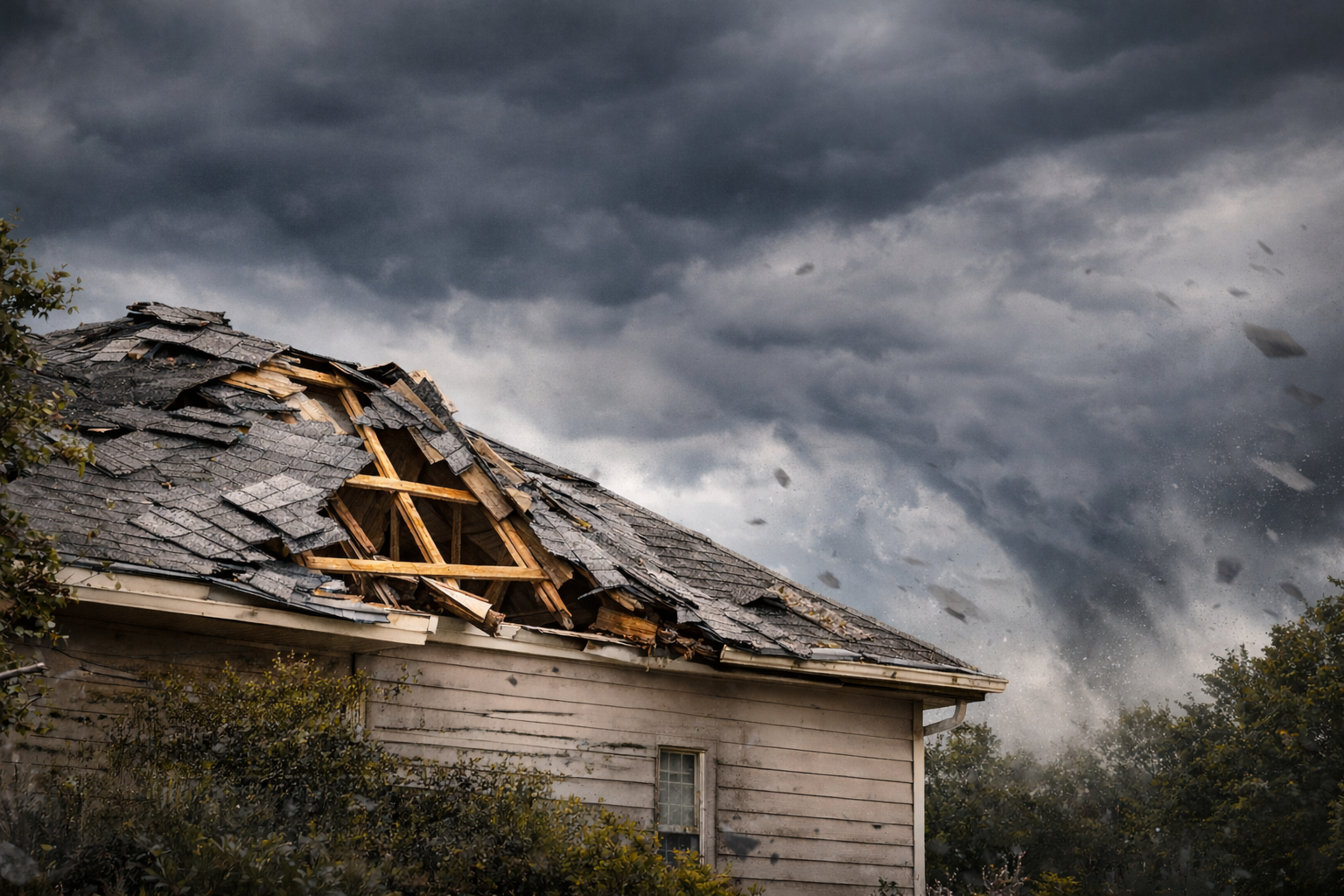
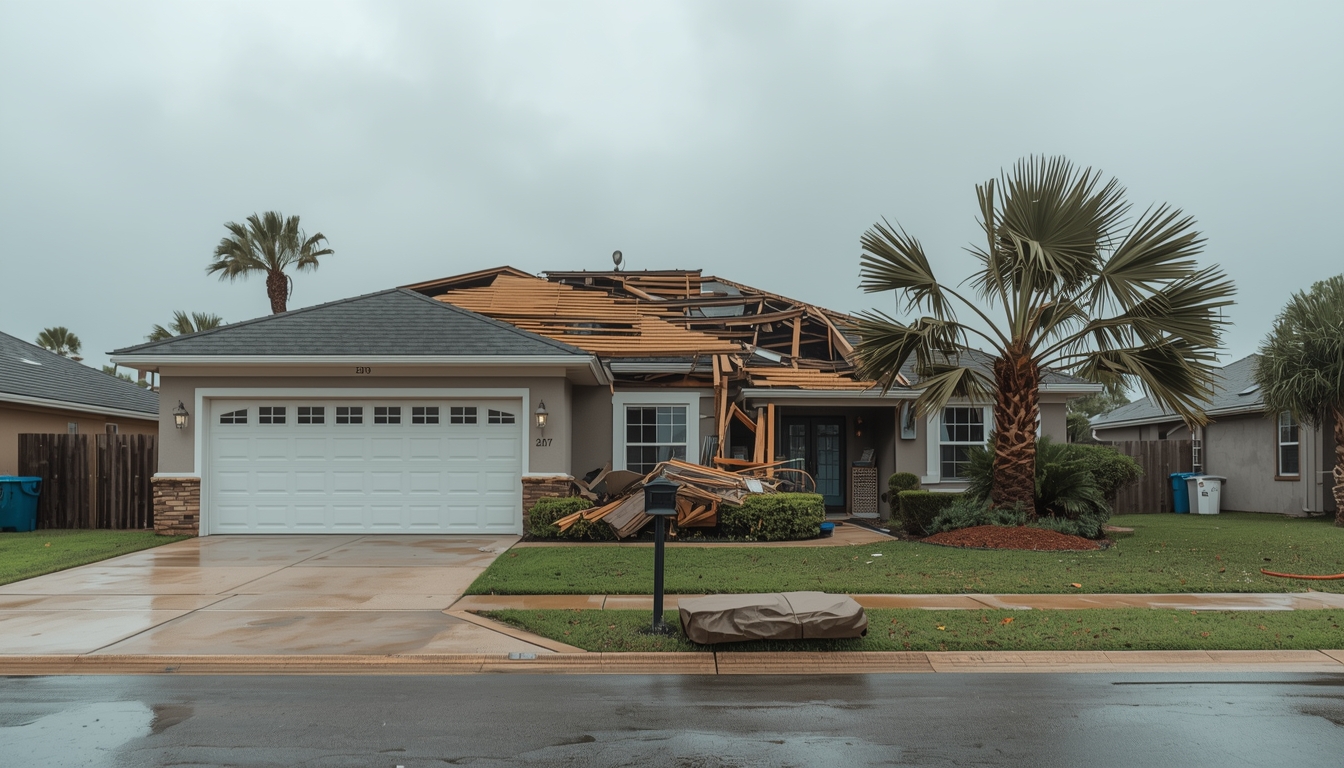
Winter weather damage in Florida, South Carolina, North Carolina, and Kentucky doesn't usually mean snow on the roof. It means burst pipes after a hard freeze, ice-loaded trees taking out roofs and power lines, ice dams in mountain and Upstate areas, and water damage that keeps spreading for days after the cold snap passes. The December 2022 Christmas freeze caused tens of thousands of frozen-pipe claims across the Southeast — including Florida, where temperatures dropped into the teens in places that hadn't seen anything close to that in decades.
The pattern that keeps repeating: a homeowner leaves for the holidays, the temperature drops below the design assumptions of the plumbing, a pipe in an exterior wall or unheated attic bursts, and water runs for hours or days before anyone notices. By the time someone walks in, the drywall, flooring, cabinetry, and contents are saturated. The damage bill ranges from $5,000 to $200,000+. Whether the insurance company pays it cleanly depends almost entirely on a few specific clauses in the policy.
The policy clauses that actually decide whether you get paid
Standard homeowners policies in FL, SC, NC, and KY share a core structure when it comes to freeze and winter damage. The outcome of a claim usually turns on these provisions:
1. The "sudden and accidental" water discharge cover
Most policies cover water that escapes "suddenly and accidentally" from a plumbing system. A pipe bursting in a freeze is the textbook example. The water damage that follows — ruined drywall, flooring, cabinetry, contents — is generally covered.
2. The freezing exclusion (with the unoccupied-home carve-out)
The trap is hidden a few pages later. Most policies exclude loss caused by freezing of plumbing if you weren't using reasonable care to either (a) maintain heat in the building, or (b) shut off the water supply and drain the system. Snowbirds and second-home owners get caught here constantly: house left unheated over the holidays, pipe freezes, claim denied for failing to maintain heat.
3. Concurrent causation language
Some policies use "anti-concurrent causation" language that lets the insurer deny the entire loss if any excluded cause contributed — even if a covered cause also contributed. This is the clause insurers reach for when a freeze caused the pipe to burst (potentially excluded if heat wasn't maintained) and water damage followed (otherwise covered). Different states interpret these clauses differently, which is where having state-specific legal help matters.
4. Ensuing loss provisions
Even when the freeze itself is excluded, many policies still cover the "ensuing loss" — the water damage that resulted. Whether this clause rescues an otherwise-denied claim is a frequent litigation point in FL, SC, NC, and KY courts.
5. Mold and rot exclusions
If water damage from a burst pipe isn't dried out promptly, mold develops within 24–72 hours. Most policies exclude mold or limit coverage to a small sublimit ($5,000–$10,000 is typical). Documenting the timeline of damage and remediation efforts becomes critical to avoid losing significant value to mold exclusions.
State-by-state considerations
Florida
FL homes are built for heat, not cold. Plumbing in attics and exterior walls, slab-on-grade construction, no insulation in many older homes — all design choices that fail when temperatures drop into the 20s. The 2022 Christmas freeze produced an enormous wave of frozen-pipe claims, and many were initially denied on "failure to maintain heat" or "failure to drain" grounds. Florida's bad-faith framework (Fla. Stat. § 624.155) provides significant leverage when an insurer's denial isn't reasonable.
South Carolina
The Upstate (Greenville, Spartanburg, Anderson) gets meaningful winter weather — ice storms, freezing rain, occasional snow. The coast and Midlands see hard freezes more than snow. SC's bad faith statute (S.C. Code § 38-59-20) and the appraisal process under the standard fire policy provide policyholder remedies when claims aren't paid in good faith. SC has a three-year statute of limitations for first-party insurance contract claims (S.C. Code § 15-3-530).
North Carolina
The mountain regions (Asheville, Boone, Hendersonville) see real winter — multiple inches of snow, sustained sub-freezing temperatures, ice dams on roofs. Charlotte and the Piedmont see ice storms more often than significant snow. NC requires insurers to acknowledge claims within 30 days under N.C. Gen. Stat. § 58-3-100 and pay or deny within reasonable time frames thereafter.
Kentucky
KY has real winters — sustained snowfall in much of the state, deep cold snaps, and ice storms that bring down trees and power lines for days. KY insurance code (KRS Ch. 304) and the Unfair Claims Settlement Practices Act govern how insurers must handle winter weather claims. Frozen pipes are extremely common; ice-loaded tree damage and ice-dam roof leaks are routine annual losses.
Documenting damage so the claim survives review
The most common reason for an underpaid or denied winter weather claim isn't policy language — it's documentation. The adjuster sees what you show them. Steps in the first 72 hours:
- Photograph everything before you touch anything. Wide shots showing the room, close-ups of the damage source (burst pipe, ice dam), affected materials. Photograph the damage from multiple angles.
- Photograph the thermostat and any heating equipment. If your heat was running, prove it. This pre-empts the "failure to maintain heat" denial.
- Photograph the affected building exterior and the surrounding context. Snow on the ground, ice on the eaves, fallen branches, whatever caused the loss.
- Stop the ongoing damage. Shut off water. Cover holes. Tarp the roof. Document what you did and when — most policies require you to take reasonable steps to mitigate further loss.
- Save receipts for emergency repairs, hotel stays, food, anything tied to the loss. These are usually covered under Additional Living Expense (ALE) coverage.
- Don't throw anything out. Damaged materials are evidence. Bag soaked carpet, ruined drywall, damaged contents. Insurers regularly deny claim items they can't physically inspect.
- Notify the insurer in writing, not just by phone. A dated written notice creates a paper trail no one can dispute later.
What to expect during the claim process
A standard winter weather claim runs through these steps:
- Initial notification. You report the loss to your insurer; they assign a claim number and an adjuster.
- Adjuster inspection. The adjuster visits the property, takes photos, takes measurements, and writes an estimate of damage.
- Estimate review. The insurer's estimate often comes in well below what the actual repair will cost. Multiple Xactimate line items get omitted; material grades get downgraded; labor rates get understated.
- Negotiation or appraisal. If you disagree with the estimate, your policy usually gives you the right to demand appraisal — a neutral umpire process to resolve the dollar amount of the loss.
- Payment. The insurer issues the actual cash value (ACV) payment first, holding back the depreciation amount until repairs are complete and you submit invoices.
- Supplements. As repairs proceed, contractors usually find additional damage that wasn't in the original estimate — wet insulation behind walls, subfloor rot, electrical damage. Each finding is a supplement to the original claim.
The most common winter weather denial reasons — and how they get challenged
- "Failure to maintain heat." Often used when a vacation home pipe bursts. Challenged by proving heat was on, by the actual temperature the home was set to, and by examining whether the policy actually defines "reasonable care" or leaves it ambiguous.
- "Long-term seepage." Insurer claims the damage developed gradually over time and is excluded. Challenged by showing the actual onset of the loss — the specific freeze event — and the timeline of discovery.
- "Wear and tear / deterioration." Insurer attributes pipe failure to age rather than the freeze. Challenged with plumber inspection reports, photos of the specific failure mode (split pipe vs. corroded fitting), and freeze temperature data.
- "Mold exclusion." Insurer caps coverage at a small mold sublimit because mold developed after the loss. Challenged by demonstrating timely mitigation, showing what was preventable vs. unavoidable, and forcing the insurer to allocate properly between covered water damage and excluded mold.
- "Cosmetic damage / no loss." Insurer asserts the damage is cosmetic and not a covered loss. Challenged with detailed photos and contractor estimates showing structural impact.
When to bring in a lawyer
Most well-documented winter weather claims under $10,000–$15,000 can be handled directly with the insurer without legal involvement. Legal help becomes worth considering when:
- The claim has been denied outright
- The insurer's estimate is dramatically lower than your contractor's estimate (commonly 40%+ apart)
- The insurer is invoking a freezing exclusion or anti-concurrent causation clause
- The insurer is dragging the claim past 60–90 days without paying
- You're being asked to give a recorded statement or examination under oath
- Your contractor has found significant supplemental damage the insurer won't acknowledge
A free consultation gives you a read on whether your specific claim has the kind of issues that benefit from legal representation, or whether you can resolve it directly. Most property damage attorneys in FL, SC, NC, and KY work on contingency — you pay nothing unless the recovery improves.
Preparing for next winter
The cheapest claim is the one you never have to file. Practical prevention steps:
- Insulate pipes in unheated spaces (attics, crawlspaces, garages, exterior walls)
- Disconnect outdoor hoses; install freeze covers on hose bibs
- When a freeze is forecast, leave cabinet doors under sinks open so warm air reaches the plumbing
- Let one faucet drip slowly during a hard freeze — moving water resists freezing
- For vacant or vacation homes during winter: keep heat at minimum 55°F, OR shut off main water and drain the system
- Know where your main shutoff is BEFORE you need to find it at 2am
- Trim overhanging branches — ice-loaded limbs are a leading cause of roof damage in winter
- Review your policy for specific endorsements covering or excluding water damage, mold, and additional living expenses
Frequently asked questions
How much does it cost to hire a property damage attorney in South Carolina?
Most reputable property damage firms — including ours — work on contingency. You pay no attorney's fees unless we recover money for you. Initial case reviews are always free.
Can I still file a claim if I already accepted a partial payment?
Often, yes. Accepting a payment is not the same as signing a release. If the insurer underpaid the actual cost of repair, you may be entitled to additional recovery. The key is whether you signed a document explicitly waiving further claims.
What if my claim is older than three years?
The statute of limitations is generally three years from the date of loss for SC property damage claims, but exceptions can apply — particularly when bad faith is involved. Don't assume your case is closed without an attorney's review.
Do you handle Helene claims outside Charleston?
Yes — we represent SC homeowners statewide, including Anderson, Aiken, Greenville, Spartanburg, Columbia, Myrtle Beach, and surrounding areas.
Talk to a property damage attorney today.
Free case review. No fee unless we recover. We read your policy, review your adjuster's scope, and tell you straight whether you have leverage.