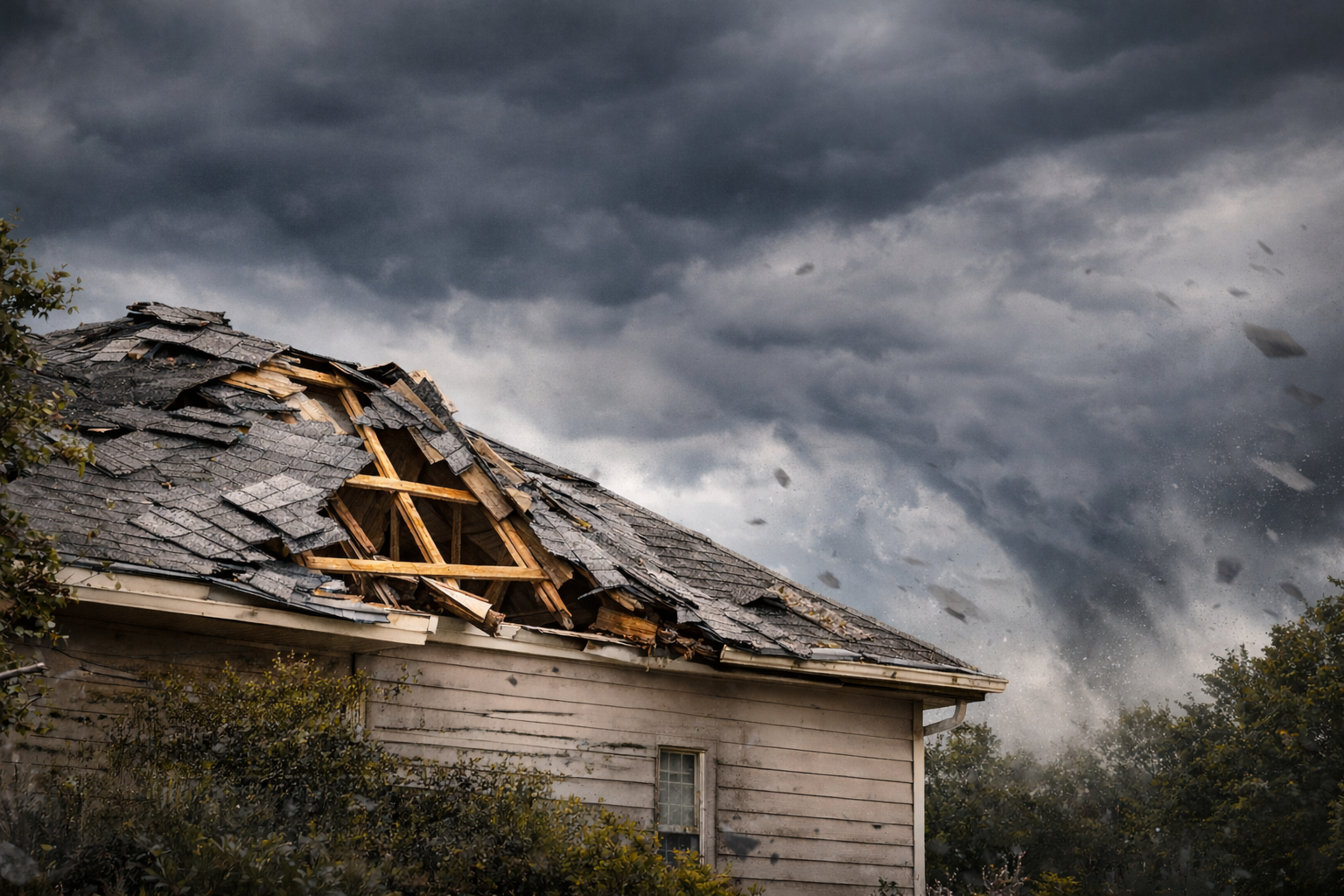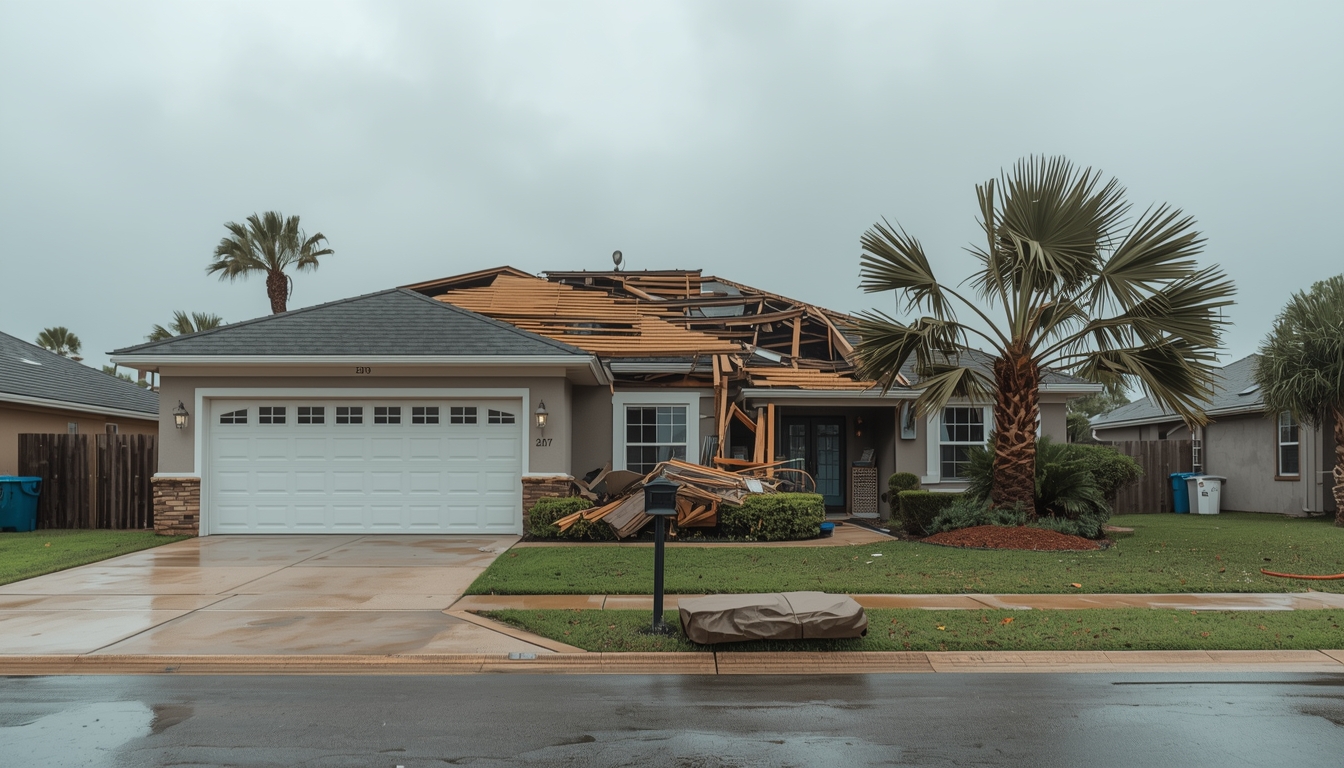
- Insurance companies deny property damage claims for policy exclusions, lack of evidence, or alleged pre-existing damage — but most denials can be challenged.
- Strong evidence (photos, repair estimates, witness statements, claim file communications) is the foundation of any successful appeal.
- Florida Statutes Chapter 627 governs insurer duties on claim investigations and settlements — knowing your rights matters.
- The appeal process typically starts with a written response to your insurer; if negotiation fails, litigation may be necessary.
Property damage can strike at any moment, turning lives upside down with a sudden burst of wind or an unexpected leak. When this happens, we all turn to our insurance policies for reassurance that everything will be fixed as it was before. Unfortunately, not every claim is approved.
A denied property damage claim can leave you feeling bewildered and frustrated. Insurance companies may deny claims for a variety of reasons — from policy exclusions to perceived lack of evidence — but understanding these denials starts with grasping the complexities behind insurance policies. Whether you're dealing with water damage in Miami or wind damage in Tallahassee, the foundation of your case is the same: policy exclusions and claims investigations.
When a property damage claim is denied, it's essential to know what steps to take next. The legal process can seem challenging, but with the right guidance and preparation, contesting a denial becomes manageable. Florida law offers several avenues for appealing denials, including thorough documentation, expert consultations, and potentially filing a lawsuit if necessary.
Understanding your denial notice
A denial notice is an official communication from your insurance company explaining why your property damage claim has been rejected. The reasons can vary widely — from simple misunderstandings to complex legal interpretations of policy language. Common grounds for denials include:
- Policy exclusions: Specific circumstances or types of damage that are not covered under your policy.
- Lack of evidence: Insufficient documentation or evidence supporting the claim.
- Pre-existing damage: Damage that was present before the incident in question, often referred to as "pre-existing conditions."
The denial notice will typically include a brief explanation of why your claim was rejected. It's crucial to read this document carefully and understand each point made by the insurance company. If any terms are unclear, don't hesitate to look them up or seek professional advice.
Gathering evidence and documentation
The success of contesting a denied property damage claim often hinges on the strength of your evidence. Gather all relevant documentation immediately after receiving the denial notice. This includes photographs, repair estimates, witness statements, and any other supporting materials that can bolster your case.
Photographs are invaluable for documenting the extent of the damage. Take clear, high-resolution images from multiple angles to provide a comprehensive view of the situation. Additionally, obtain detailed repair estimates from licensed contractors or professionals in the field. These estimates should include itemized lists of necessary repairs and their associated costs.
Witness statements can also play a crucial role in supporting your claim. Collect written accounts from anyone who witnessed the damage or can provide relevant information about the incident. Ensure these statements are signed and dated for authenticity.
Reviewing your policy and legal rights
Thoroughly reviewing your insurance policy is a critical step in contesting a denied property damage claim. Policies can be complex documents filled with legal jargon, so take the time to understand coverage limits, exclusions, and any clauses that might affect your case.
Florida property law provides guidelines for handling denied claims. Florida Statutes Chapter 627 outlines the duties of insurers regarding claim investigations and settlements. Familiarizing yourself with relevant statutes and legal precedents empowers you during negotiations or litigation.
If necessary, seek professional advice from attorneys who specialize in property law. These experts can help decipher policy language and identify potential loopholes or misinterpretations by insurance companies.
Consulting with experts
When dealing with a denied property damage claim, consulting with experts can provide clarity and potentially lead to a resolution. Attorneys specializing in property law are well-versed in the intricacies of insurance policies and legal procedures. They can offer strategic advice tailored to your specific situation.
Insurance consultants bring another layer of expertise by evaluating the fairness of claim settlements. Their objective assessments can highlight discrepancies or unfair practices, providing valuable insights for contesting denials. Additionally, mediators act as neutral third parties facilitating negotiations between you and the insurance company, aiming for an amicable resolution without litigation.
Taking action: contesting the denial
Contesting a denied property damage claim involves several steps designed to challenge the decision and seek a favorable outcome. The process begins by filing an appeal with your insurance company, outlining why you believe the denial is unjustified. This appeal should include all relevant evidence gathered during your documentation phase.
Preparing for potential litigation requires gathering comprehensive records of communications with the insurer — emails, letters, and phone call logs. These documents can serve as crucial evidence if legal proceedings become necessary. It's also beneficial to maintain detailed notes on all interactions related to your claim, capturing key points discussed and decisions made.
If negotiations fail and litigation ensues, having a strong case built on solid documentation and expert advice increases the likelihood of success.
Preventing future denials
Preventing future property damage claim denials involves proactive strategies aimed at maintaining thorough records and staying informed about policy updates. Keeping detailed documentation of all property-related incidents and repairs can significantly bolster future claims, providing clear evidence to support your case.
Staying updated on changes in Florida property law is another essential measure for preventing denials. Regularly reviewing your insurance policy ensures that you are aware of any modifications or new exclusions that could impact coverage. Engaging with your insurer proactively by asking questions and seeking clarifications can also help avoid misunderstandings.
The Property People: your partner in property matters
Dealing with a denied property damage claim can be overwhelming, but you don't have to face it alone. The Property People is here to guide you through every step of the process, from understanding your denial notice to contesting the decision effectively. Our team of experienced attorneys specializes in property law, offering comprehensive legal services tailored to your unique situation.
Frequently asked questions
How much does it cost to hire a property damage attorney in South Carolina?
Most reputable property damage firms — including ours — work on contingency. You pay no attorney's fees unless we recover money for you. Initial case reviews are always free.
Can I still file a claim if I already accepted a partial payment?
Often, yes. Accepting a payment is not the same as signing a release. If the insurer underpaid the actual cost of repair, you may be entitled to additional recovery. The key is whether you signed a document explicitly waiving further claims.
What if my claim is older than three years?
The statute of limitations is generally three years from the date of loss for SC property damage claims, but exceptions can apply — particularly when bad faith is involved. Don't assume your case is closed without an attorney's review.
Do you handle Helene claims outside Charleston?
Yes — we represent SC homeowners statewide, including Anderson, Aiken, Greenville, Spartanburg, Columbia, Myrtle Beach, and surrounding areas.
Talk to a property damage attorney today.
Free case review. No fee unless we recover. We read your policy, review your adjuster's scope, and tell you straight whether you have leverage.
Get Your Free Case Review